
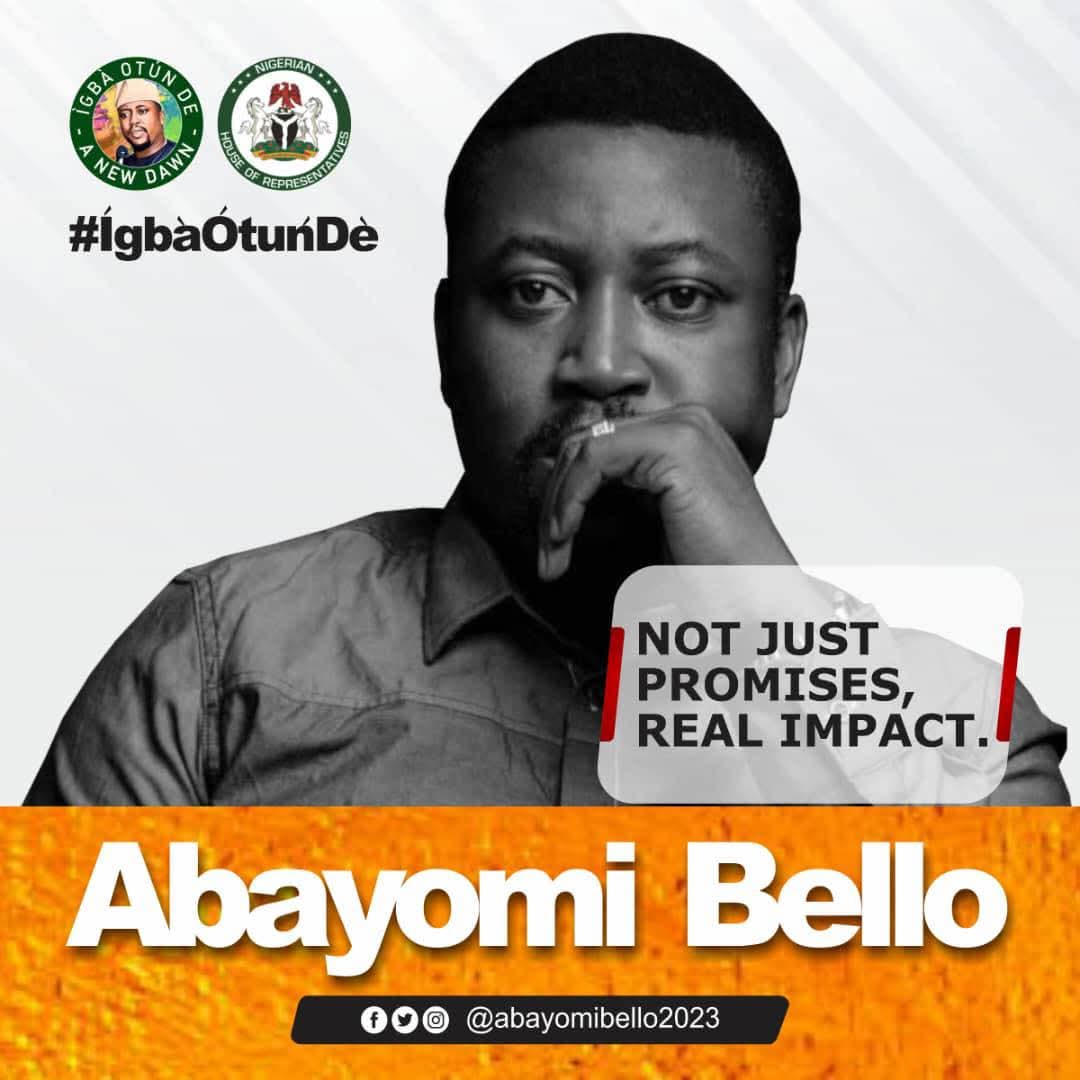
Money politics has gradually become a defining feature of electoral contests in Kabba/Bunu–Ijumu Federal Constituency. In nearly every election cycle, politics is reduced to a transactional exchange: cash for votes, short-term handouts for long-term silence. Funds that should be invested in sustainable development, roads, schools, healthcare, youth empowerment, and economic opportunities, are instead diverted to influence voters during campaigns.
This practice has normalized a dangerous cycle. Politicians, aware that accountability is weak, treat public office not as a responsibility but as an investment to be recovered. Campaign spending is seen as a cost that must be recouped once power is secured. As a result, governance becomes secondary, while patronage and personal enrichment take priority.
The most troubling aspect of this system is the erosion of civic responsibility. The very people who should demand transparency and performance are often rendered powerless by compromise. When voters accept money, gifts, or temporary relief during elections, they unintentionally surrender their moral authority to question poor governance afterward. Accountability becomes difficult when consent has been monetized.
This dynamic also weakens community leadership structures. Traditional rulers, youth groups, women’s associations, and opinion leaders, who should act as watchdogs, are sometimes drawn into the same transactional web. Once compromised, collective advocacy collapses, and silence replaces scrutiny.
At first glance, both parties may appear to gain. Voters receive immediate financial relief, while politicians secure electoral victory. But in reality, the benefits are deeply unequal.
Politicians are the primary beneficiaries. They gain access to power, public resources, influence, and long-term financial opportunities far exceeding the short-term cash distributed during campaigns. The electorate, on the other hand, is left with fleeting benefits that do not translate into improved living standards or sustainable development.
The constituency itself suffers the greatest loss. Roads remain neglected, schools underfunded, healthcare facilities overstretched, and youth unemployment unchecked. Election after election, the same promises are recycled, while structural underdevelopment persists.
Money politics undermines democracy by replacing choice with inducement and vision with cash. It discourages competent but less wealthy candidates and entrenches a political culture where ideas, integrity, and performance matter less than spending power.
For Kabba/Bunu–Ijumu Federal Constituency to break free from this cycle, there must be a collective reawakening. Citizens must begin to see elections not as moments of survival but as opportunities to secure their future. Accountability must be reclaimed, and leadership must be judged by service, not generosity during campaign season.
Until this shift occurs, money politics will continue to thrive, and the constituency will continue to pay the price for short-term gains exchanged for long-term loss.
Ómòluábi Abayomi Bello writes from Kabba, Kogi State.


